
Comparative construction cost data for Croatia.
Our services centre on one thing: providing structured, current, county-level data on what construction materials and labour cost across Croatia — organised so your group can compare it directly against contractor submissions.
Comparative Cost Tables
The foundation of every Zenlixe report is a structured comparative table. Here's what that means in practice.

What a comparative table contains
County-level price ranges
For each material or labour category, the table shows the current market price range in the specific county your project is located in.
Building typology breakdown
Costs are separated by building type: single-family residential, multi-family residential, and mixed-use development — because cost structures differ meaningfully between them.
Date-stamped data
Every table includes a data collection date so your group knows exactly how current the figures are when comparing against a contractor's estimate.
Multi-county comparison option
For groups considering sites in multiple counties, we can structure the table to show side-by-side comparisons across regions.
What our tables cover.
We track the material and labour categories that account for the majority of construction cost in typical Croatian residential and mixed-use projects.
Concrete & Structural Materials
Ready-mix concrete grades, reinforcement steel (rebar), structural blocks, and prefabricated elements. These structural materials typically represent a significant portion of total construction cost and show notable regional price variation across Croatian counties.
Joinery & Facade Elements
External windows (PVC, aluminium, wood), entrance and interior doors, facade cladding systems, and thermal insulation packages. Price ranges reflect the significant variation in specification quality and county-level supply conditions.
Electrical Installations
Wiring, distribution boards, conduit systems, and standard electrical fitting-out costs. Labour rates for certified electricians vary between counties and are tracked separately from material costs in our tables.
Plumbing & Sanitary Installations
Water supply and drainage systems, sanitary ware packages, and associated installation labour. Coastal counties show different pricing patterns than inland counties due to supply chain and demand differences.
HVAC & Mechanical Systems
Heating, ventilation, and air conditioning system costs — equipment and installation labour. Includes heat pump systems, underfloor heating, and conventional radiator systems by county.
Construction Labour Rates
General construction labour, skilled trades, and site supervision rates by county. Labour cost is one of the most regionally variable components of construction — our tables show where each county's market currently sits.
Data organised by what you're building.
Cost structures differ significantly between building types. Our tables reflect these differences rather than presenting a single blended average.
Single-Family Residential
Detached and semi-detached houses. Cost tables reflect the typical specification range for new single-family construction in each county, from standard to higher-specification builds.
Multi-Family Residential
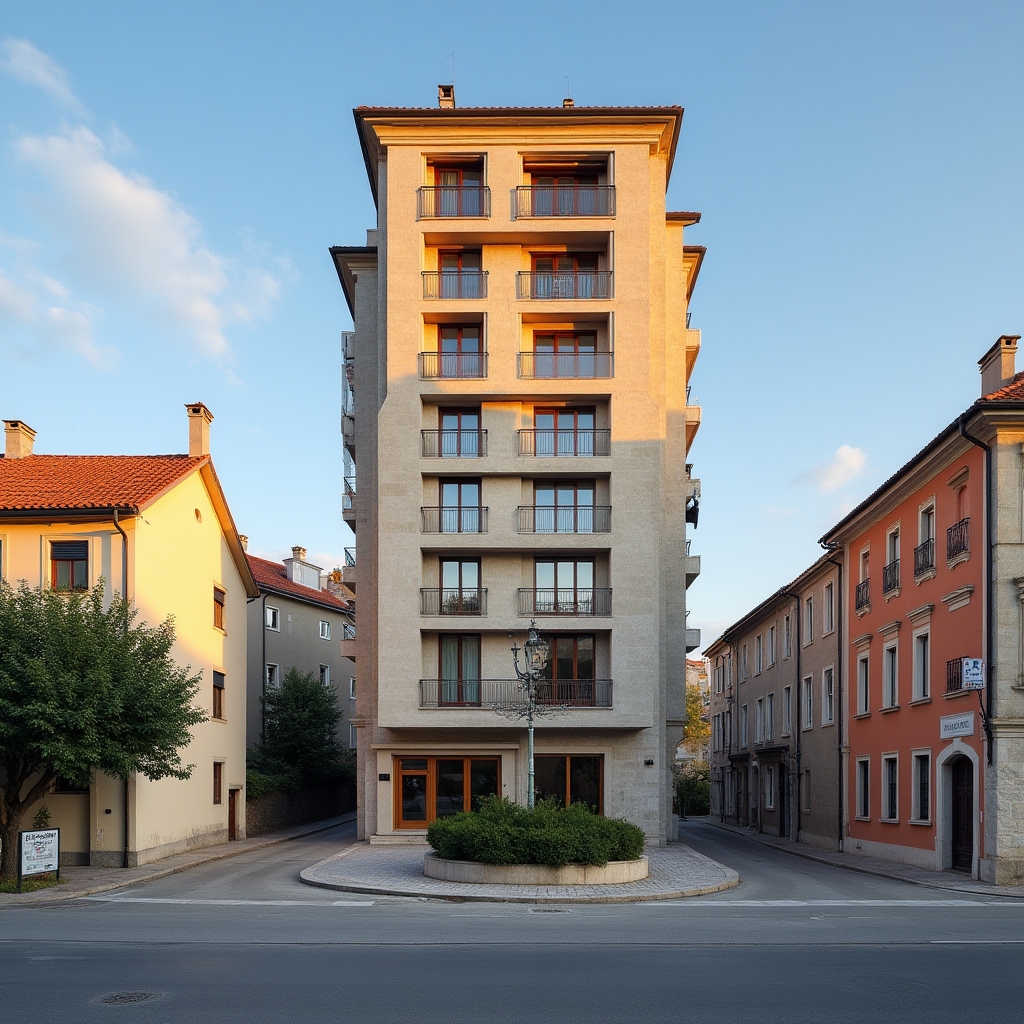
Apartment buildings and multi-unit residential developments. This typology is particularly relevant for housing cooperatives and investor groups building for multiple households.
Mixed-Use Development
Ground-floor commercial with residential above. Cost tables for this typology cover the additional complexity of mixed specification requirements across different floors and uses.
Important note on scope: Zenlixe provides market research data only. Our comparative tables are a reference tool — they do not constitute a project cost estimate, a quantity survey, or professional financial advice. They are designed to give your group a factual market context when reviewing contractor submissions.
Placing market data alongside contractor estimates.
Our reports are designed to be used alongside — not instead of — a contractor's detailed estimate. The process is straightforward: your group receives our comparative table for the relevant county and building type, then places it next to the contractor's line-item breakdown to identify where figures are aligned with the market and where they diverge significantly.
This doesn't replace professional quantity surveying or legal review of contracts. What it does is give every member of your group a shared, independent reference point so discussions about contractor pricing are grounded in market reality rather than assumption.